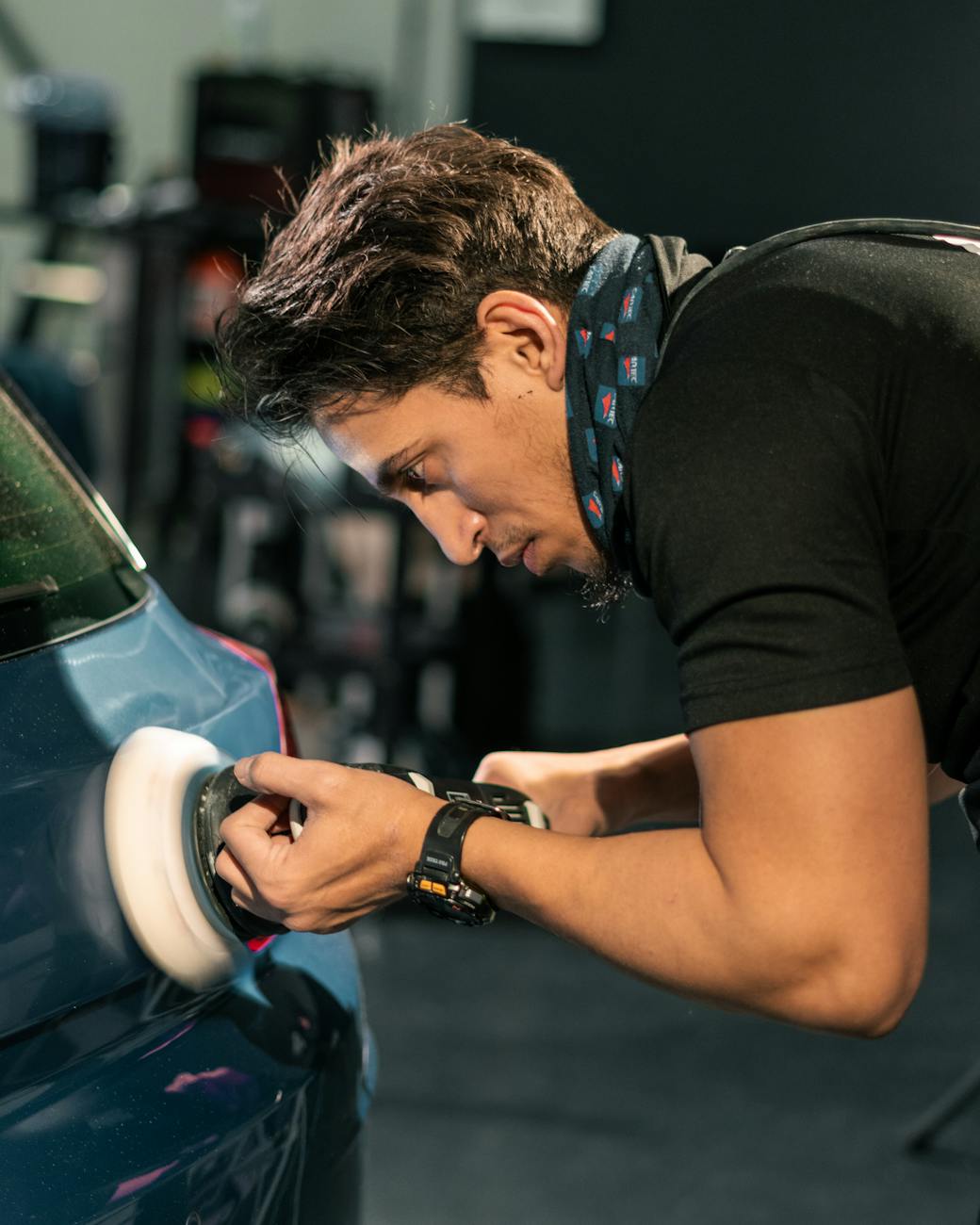
Now that I’m in Wichita, I occasionally pop up in some of the places in Kansas where I used to work, before I moved to Texas. A client told me that in my absence she had visited a different massage therapist in the area, but found the therapist consistently used pressure that was deep to the point of discomfort. When she asked the therapist to lighten up, the conversation went something like this:
Client: I would like a massage, but can you use less pressure?
Therapist: No, the deep pressure I use is what you need.
Client: Oh. Do you know about the nervous system?
Therapist: I don’t do fluff and buff.
Hoo boy. So I guess we’re going to talk about the nervous system today. The first thing to remember is that it controls all the muscles, so every action of a muscle is directed by the nervous system, including the contractions of movement, both voluntary and involuntary; spasms; and tonus, which refers to the slight tension held in the muscles at rest. We say “we work with muscles,” but the changes we hope to see are always mediated by the nervous system. Every touch speaks directly to the nervous system, and the outcome is sometimes that the nervous system signals the muscle to let go.
We also know that the nervous system has a complex of both stress and relaxation responses to stimuli. A perceived threat triggers the fight/flight/freeze/fawn reaction, in which the body falls into predictable patterns that improve chances of survival. This fight/flight mode, also called the stress response, is effective at keeping us alive; but it’s not sustainable, so when the threat passes, the body normally goes to relaxation mode. When stress is sustained over time, the nervous system may forget to relax.
With trauma, the nervous system sometimes gets stuck in stress mode. We are still learning ways to communicate with the nervous system that it is safe to relax, but a lot of work is being done in this field, and one thing we can say with confidence is that additional trauma is not helpful. That would include a massage therapist insisting that the client needs aggressive, painful touch in order to feel better.
Even in the 90s when I was in school, we learned to work within the client’s pain range, and my own experience in the 30 years since has been that people know what they need. Their bodies respond better to the touch they ask for, whether it be heavier or lighter.
So you will never hear me say that you need more pressure than you want.
If you would like to learn more about your nervous system through touch, reach out for an appointment. I will not treat you like a pillow to be fluffed, nor like a car to be buffed. I trust your nervous system to tell you what you need, and we can explore that together. And, if you’re in about a 75-mile radius of Wichita, if you have a location and 4-5 people who want massages, let’s talk about a pop-up studio near you.
At Wichita State University Campus Recreation (open to anyone)
Mobile appointments or questions, message me here.

